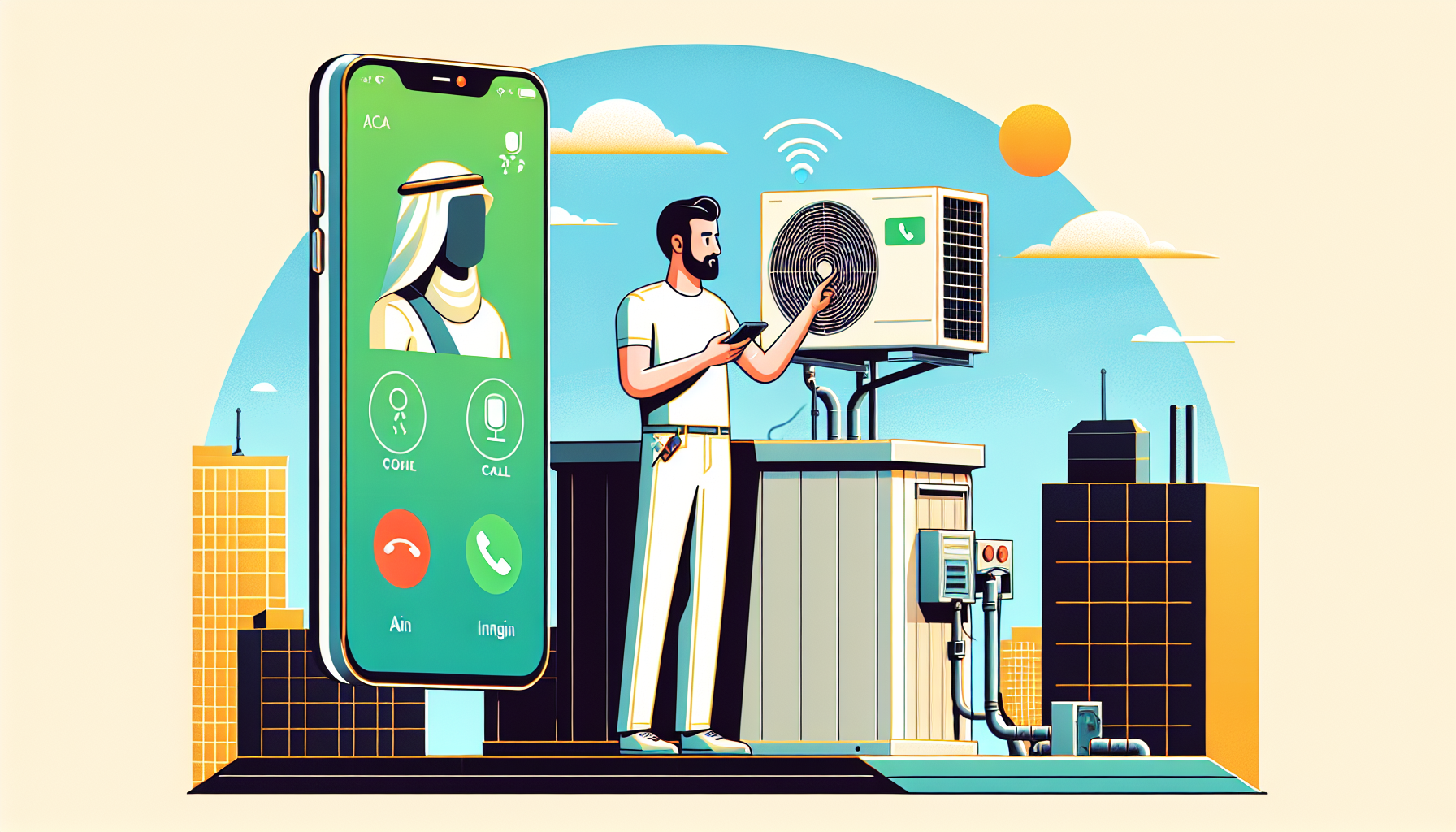
HVAC Emergencies Do Not Wait for Business Hours
It is 2 AM on a July night in Houston. The temperature outside is still 90 degrees. A family's air conditioning just died. The house is heating up fast, the kids cannot sleep, and the homeowner is frantically searching for an HVAC company that will answer the phone right now.
They call your company. It rings four times and goes to voicemail. They hang up and call the next company on the list. That company has an AI receptionist that answers on the first ring, confirms the emergency, collects the address, and texts the technician on call. They get the $1,200 emergency repair job. You get a voicemail notification the next morning — if the customer even bothered to leave one.
This scenario plays out thousands of times every day across the country. HVAC companies lose tens of thousands of dollars annually to missed calls, and emergency calls are the most expensive ones to miss.
Why HVAC Companies Struggle With Phone Calls
HVAC technicians face a unique challenge. When you are diagnosing a furnace in a cramped basement or working on a rooftop unit in the summer heat, answering the phone is not just inconvenient — it can be dangerous. You are handling electrical components, refrigerant lines, and gas connections. Stopping mid-job to take a call is not an option.
But HVAC is also one of the most call-dependent trades. Unlike a kitchen remodel that gets planned weeks in advance, HVAC issues are urgent. When the heat goes out in January or the AC dies in August, customers are not browsing websites and filling out contact forms. They are calling — and they are calling right now.
The typical HVAC company receives 40 to 80 calls per week during peak season. If you are a solo operator or a small team, answering every one of those calls while also running service calls is physically impossible.
The Emergency Call Problem
Not all missed calls are equal. Missing a call from someone who wants a quote for a new system next month is bad. Missing a call from someone whose furnace is blowing cold air when it is 15 degrees outside is a catastrophe — for them and for your revenue.
Emergency HVAC calls are your highest-value calls. They typically bill at premium rates, the customer is highly motivated to book immediately, and they rarely shop around if someone answers quickly. A single emergency call can be worth $800 to $2,500.
The problem is that emergencies happen at the worst times. AC failures peak on the hottest days when you are already slammed with service calls. Furnace breakdowns happen on the coldest nights when you are asleep. Without 24/7 phone coverage, you are leaving your most profitable calls unanswered.
Traditional Solutions Fall Short for HVAC
Voicemail: Studies show 80% of callers hang up when they reach voicemail. For emergency calls, that number is even higher. Someone whose pipes are freezing because their furnace died is not leaving a message and waiting for a callback tomorrow.
Office staff: A receptionist costs $3,000 or more per month and works 9 to 5. Most HVAC emergencies happen outside those hours. You are paying full-time wages for part-time coverage.
Answering services: Traditional services cost $300 to $800 per month with limited calls included. The operators follow scripts and know nothing about HVAC. They cannot tell the difference between "my AC is making a weird noise" (schedule next week) and "I smell gas near my furnace" (dispatch immediately). Everything gets the same treatment.
How AI Changes HVAC Phone Management
An AI receptionist built for HVAC companies solves every one of these problems:
Answers every call instantly, 24/7. No rings, no hold music, no voicemail. At 2 AM on a Saturday, the AI picks up and handles the call just as professionally as at 10 AM on a Monday.
Detects emergencies automatically. The AI recognizes HVAC emergency keywords: "no cooling," "no heat," "gas smell," "carbon monoxide alarm," "water leak from AC," "furnace not working." When it detects an emergency, it flags the call as urgent and sends you an instant SMS alert with all the details.
Books appointments on the spot. For non-emergency calls — maintenance checkups, system quotes, filter replacements — the AI checks your calendar and books the appointment during the call. No phone tag, no callbacks needed.
Validates every address. The AI uses Google address verification to confirm the customer's location in real time. You get a validated, complete address for every service call, so your technicians never waste time driving to the wrong place.
Remembers returning customers. When a customer calls back, the AI greets them by name and already knows their address and service history. "Hi Mr. Rodriguez, is this about your Carrier unit at 1234 Elm Street?" This level of personalization builds loyalty and drives referrals.
Speaks multiple languages. In many markets, a significant percentage of customers speak Spanish. The AI automatically detects the caller's language and responds fluently in English, Spanish, or Russian.
Real Scenario: Peak Summer Day
Imagine a typical July day for a 3-person HVAC company in Texas. The temperature hits 105 degrees. Your phone starts ringing at 7 AM and does not stop.
Without AI: You are on a service call at 8 AM. Three calls come in while you are diagnosing a compressor. Your guys are on their own jobs. All three calls go to voicemail. By the time you check messages at lunch, one customer has already booked with a competitor. The other two do not answer your callback. You lost roughly $4,000 in revenue before noon.
With AI: All three calls are answered instantly. The AI collects names, addresses, and descriptions of the problem. One call is flagged as emergency — elderly customer, no cooling, feels dizzy. You get an instant SMS and dispatch a technician. The other two are booked for afternoon appointments. Zero calls lost, zero revenue missed.
Choosing the Right AI Receptionist for HVAC
When evaluating AI receptionists for your HVAC business, look for these features:
Emergency keyword detection — the system must understand HVAC-specific emergencies and prioritize them.
After-hours coverage — HVAC emergencies peak outside business hours. 24/7 is non-negotiable.
Calendar booking — reduces callbacks and phone tag for routine appointments.
Address validation — saves drive time and fuel costs for your technicians.
Client memory — returning customer recognition builds trust and speeds up booking.
Flat pricing — per-minute pricing will destroy you during peak season when call volume triples.
See how the top options compare in our AI receptionist comparison guide .
What Zov•io Offers HVAC Companies
Zov•io is built specifically for home service contractors, including HVAC companies. Plans start at $79 per month for solo operators and go up to $349 per month for high-volume teams.
Every plan includes 24/7 AI answering, a dedicated phone number, call recordings, full transcripts, and a dashboard where you can see every call and customer detail. The Pro plan adds client memory, calendar booking, SMS notifications, and custom AI greetings.
Setup takes less than 10 minutes. No hardware, no contracts, no hidden fees. Forward your existing number or use your new dedicated line.
Stop Missing Emergency Calls
Every unanswered call during a heat wave or cold snap is money going to your competitor. With an AI receptionist, every call gets answered, every emergency gets flagged, and every appointment gets booked — whether you are on a rooftop or asleep at 3 AM.
Start your free 14-day trial and see how many more jobs you book when every call gets answered. No credit card required.
Want to see how AI compares to traditional answering services? Read our full cost comparison .